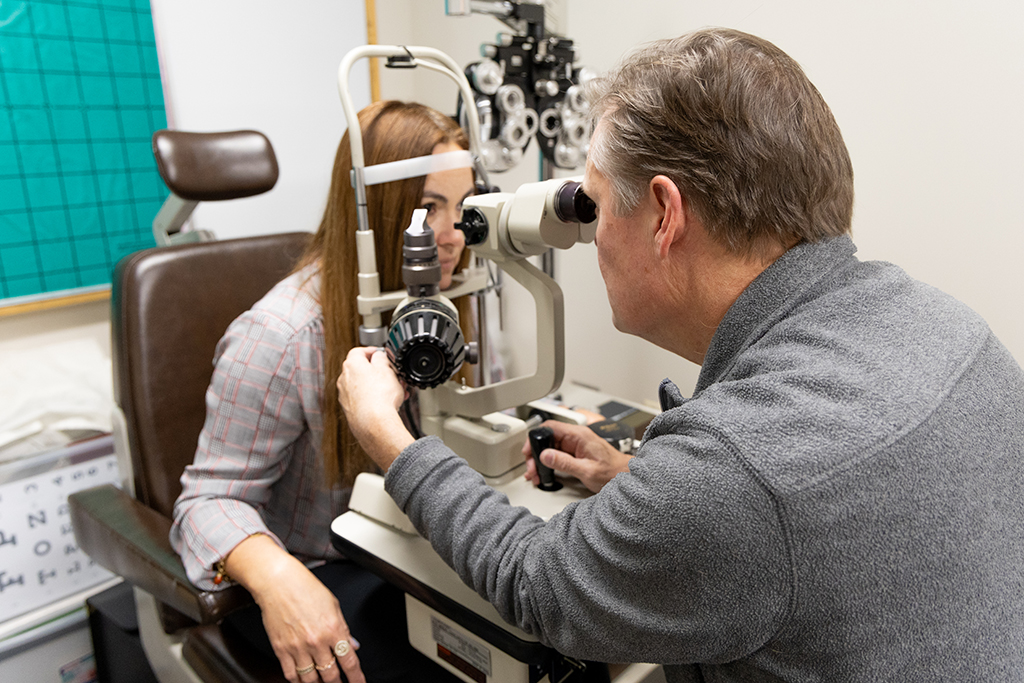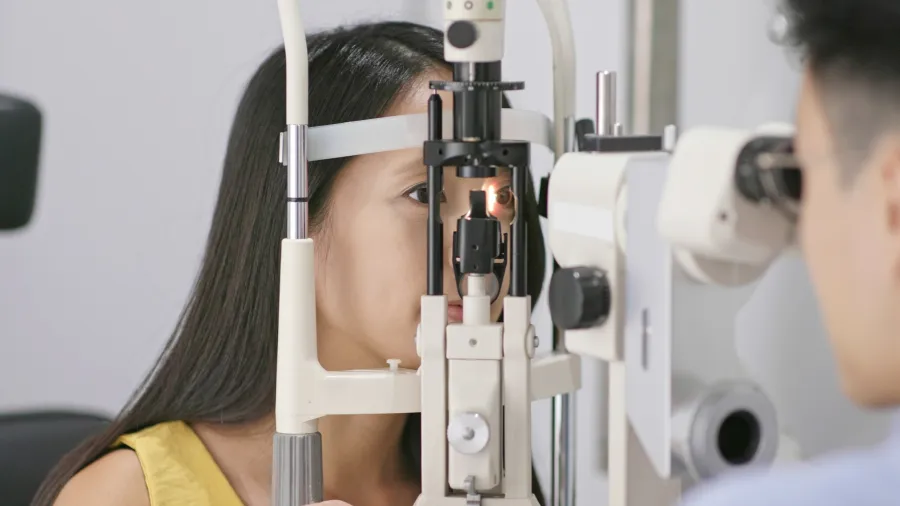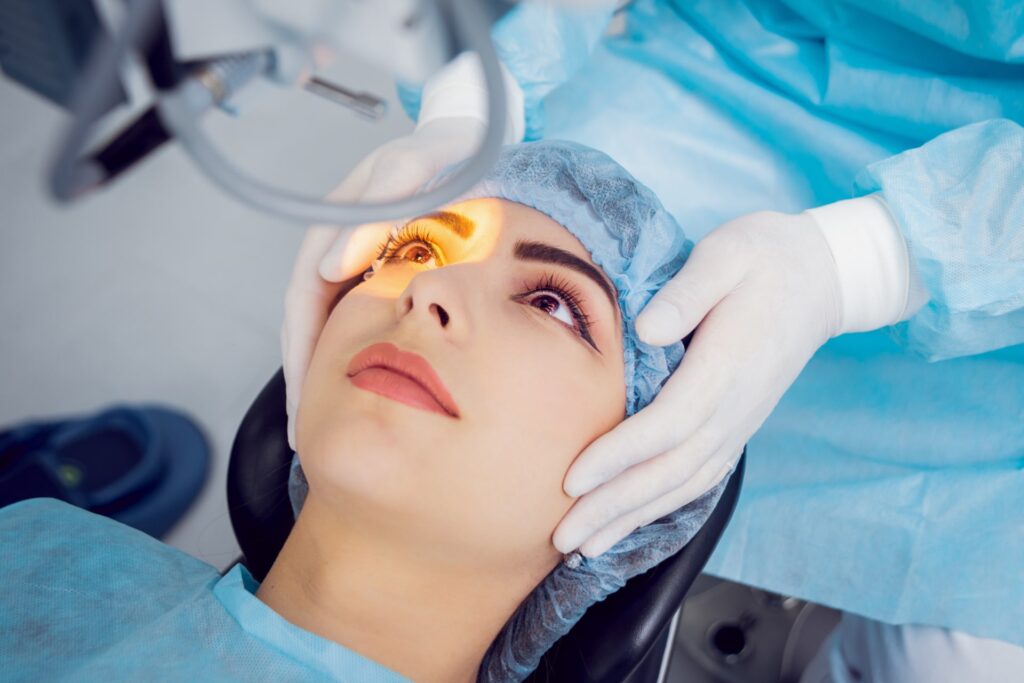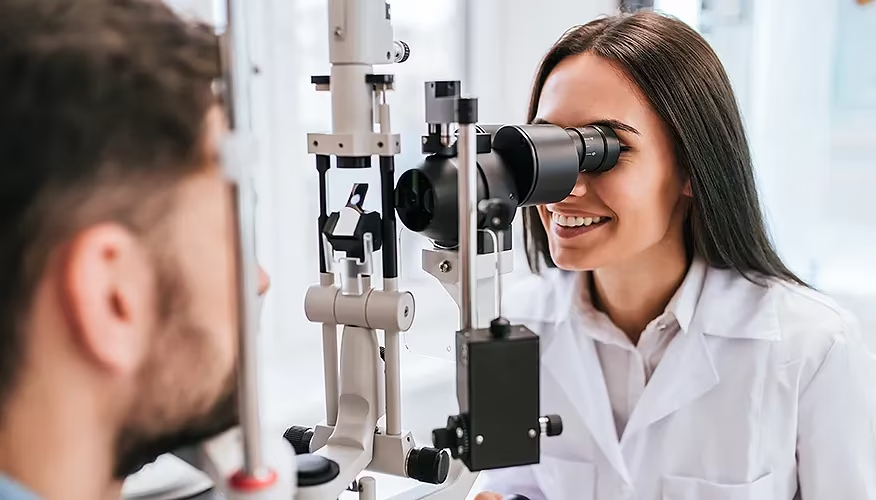
Many people only schedule an eye exam when they notice blurry vision, eye discomfort, or headaches. However, regular eye exams are about much more than updating a glasses prescription. They are a critical part of maintaining long-term eye health and detecting serious conditions early.
Many eye diseases develop slowly and without obvious symptoms. Conditions such as glaucoma, macular degeneration, diabetic eye disease, and retinal disorders may progress silently for years before vision loss becomes noticeable. A comprehensive eye exam allows these conditions to be identified at an early stage, when treatment is most effective.
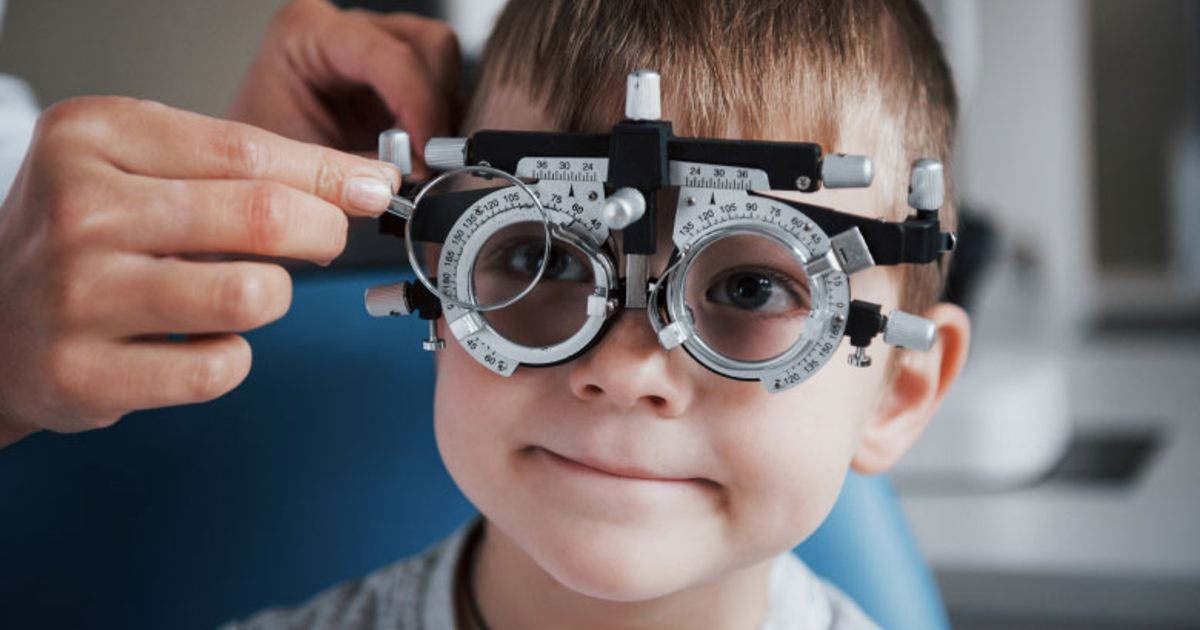
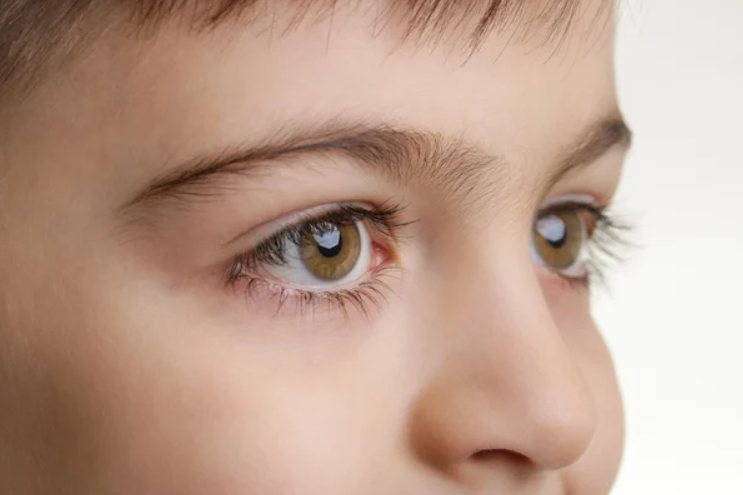
For children, routine eye exams are especially important because vision plays a major role in learning and development. Vision problems can affect reading, attention span, classroom performance, and even social confidence. Conditions like lazy eye (amblyopia), strabismus, and uncorrected refractive errors respond best when treated early. Delayed diagnosis can result in permanent vision loss in one or both eyes.
Adults also benefit from regular eye care as vision naturally changes with age. Presbyopia, dry eye disease, cataracts, and age-related macular degeneration become more common over time. Patients with diabetes, high blood pressure, autoimmune conditions, or a family history of eye disease should be especially proactive.
Regular eye exams help protect vision, support overall health, and provide peace of mind at every stage of life.