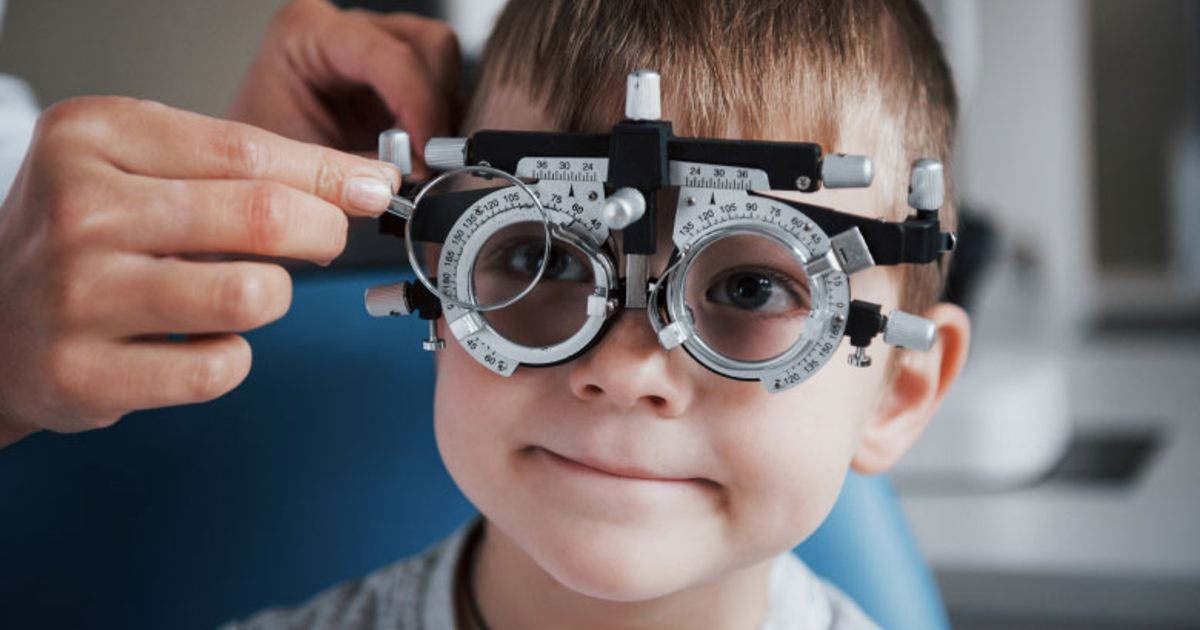
Many parents assume that a child only needs an eye exam if they complain about vision problems. However, children often don’t recognize or communicate issues with their eyesight. Regular eye exams are essential for detecting problems early and supporting healthy development.
Recommended Eye Exam Timeline
Eye care should begin early in life. General guidelines include:
- First exam: Around 6–12 months of age
- Second exam: Around age 3
- Before starting school: Around age 5–6
- Ongoing: Every 1–2 years, or as recommended
These milestones help ensure that vision is developing properly at each stage.
Signs Your Child Needs an Exam Sooner
In addition to routine checkups, schedule an eye exam if your child shows any of the following:
- Squinting or covering one eye
- Complaints of blurry or double vision
- Frequent headaches
- Difficulty reading or focusing
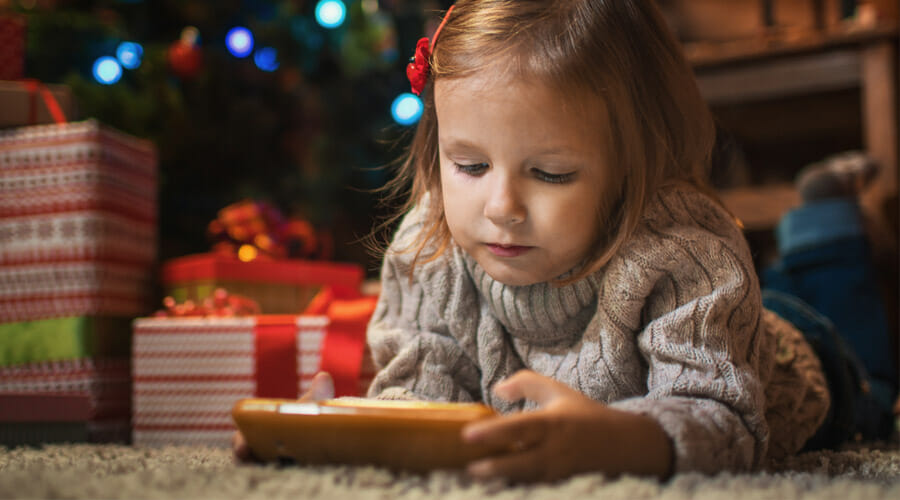
- Sitting too close to screens
Even minor symptoms can indicate underlying issues.
The Link Between Vision and Learning
Good vision is essential for success in school. Children rely heavily on their eyesight for reading, writing, and classroom activities.
Undiagnosed vision problems can lead to:
- Reduced academic performance
- Frustration or lack of confidence
- Misdiagnosis of learning or attention disorders
A simple eye exam can rule out or identify vision-related challenges.
Preventive Care Matters
Routine eye exams are not just about checking vision — they also help detect:
- Eye alignment issues
- Early signs of eye diseases
- Developmental concerns
Early intervention can prevent more serious problems later in life.
Final Thoughts
Even if your child seems to see well, regular eye exams are an important part of their overall health. Proactive care ensures that any issues are caught early, giving your child the best chance for clear, comfortable vision.