Convergence insufficiency is a common but often overlooked vision condition that affects how the eyes work together when focusing on nearby objects. It can make reading and close-up tasks uncomfortable and frustrating, especially for children and students.
Understanding the Condition
When you look at something up close, your eyes naturally move inward (converge) to focus on the same point. In convergence insufficiency, this coordination doesn’t work properly, causing the eyes to struggle to maintain alignment.
As a result, the brain receives mixed signals, which can lead to visual discomfort and difficulty concentrating.
Common Symptoms
People with convergence insufficiency often experience:
- Double vision when reading
- Words appearing to move, blur, or overlap
- Eye strain after short periods of near work
- Headaches, especially after reading or screen use
- Difficulty concentrating on close tasks
These symptoms may come and go, making the condition harder to recognize.
Impact on Daily Life
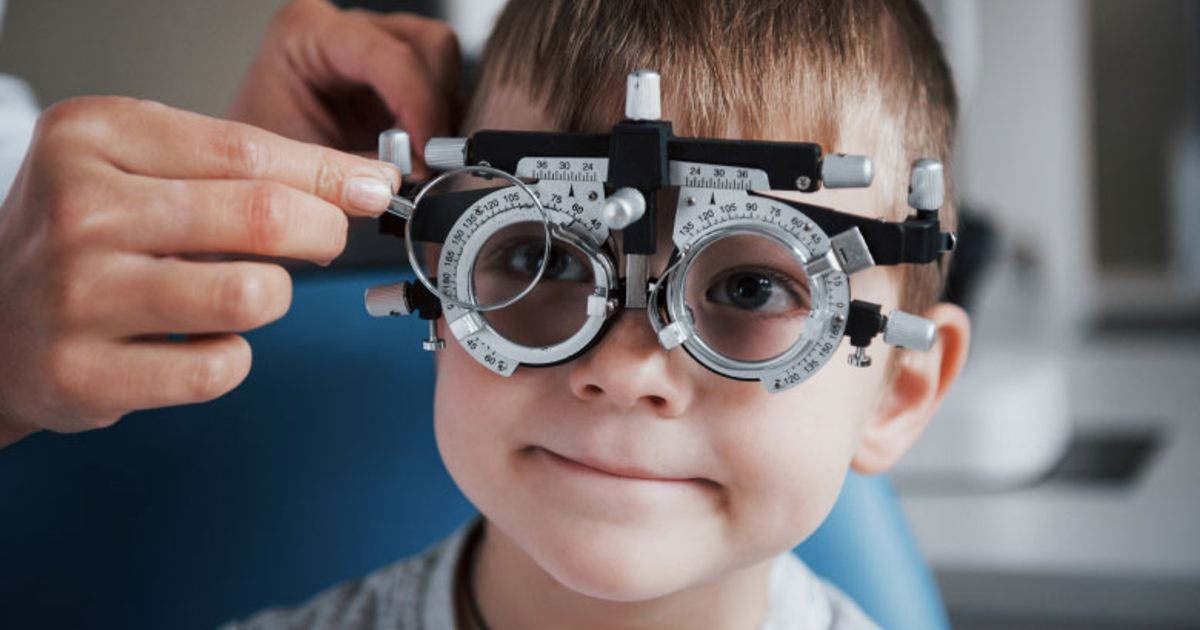
For children, convergence insufficiency can significantly affect school performance. Reading becomes tiring, and comprehension may suffer because of the extra effort required just to focus on the text.
Adults may notice similar issues during computer work or prolonged screen use.
How It Is Diagnosed
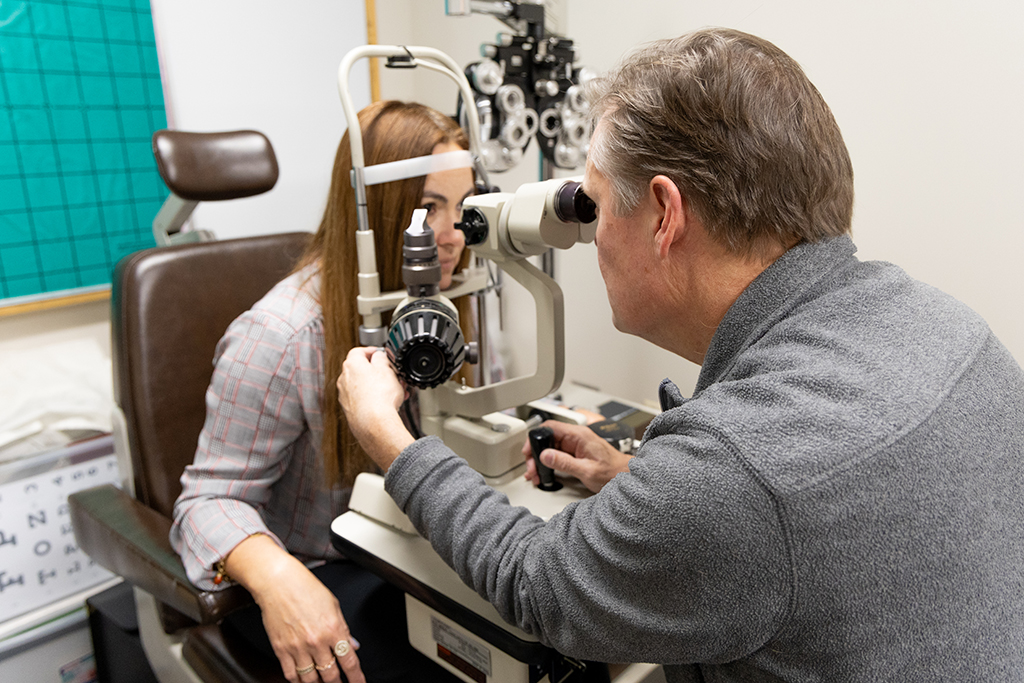
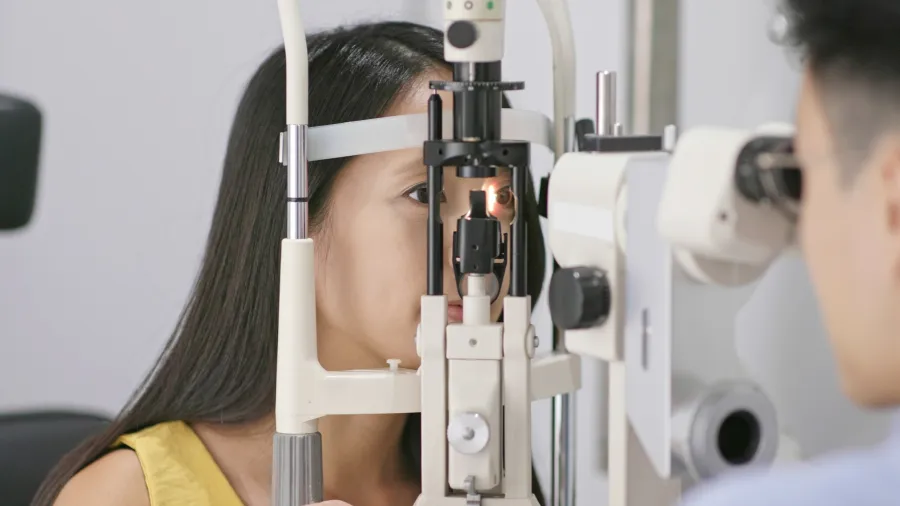
A standard vision screening may not detect convergence insufficiency. A comprehensive eye exam is needed to evaluate:
- Eye teaming ability
- Focus flexibility
- Coordination between both eyes
This is why many cases go undiagnosed without a detailed assessment.
Treatment Options
The good news is that convergence insufficiency is highly treatable.
Treatment may include:
- Vision therapy exercises to strengthen eye coordination
- Specialized lenses or prism glasses
- Guided in-office therapy programs
With proper treatment, most patients experience significant improvement.
Final Thoughts
If reading feels unusually difficult or causes discomfort, convergence insufficiency may be the cause. Early diagnosis and treatment can greatly improve comfort, focus, and overall visual performance.