Myopia, commonly known as nearsightedness, is becoming increasingly common in children worldwide. It causes distant objects to appear blurry while close objects remain clear. While glasses can correct vision, myopia is more than just a prescription issue.
Myopia often begins in childhood and can progress rapidly as the eyes grow. As nearsightedness worsens, stronger prescriptions are needed, and the risk of future eye conditions increases. Higher levels of myopia are associated with a greater risk of retinal detachment, glaucoma, and other vision-threatening conditions later in life.
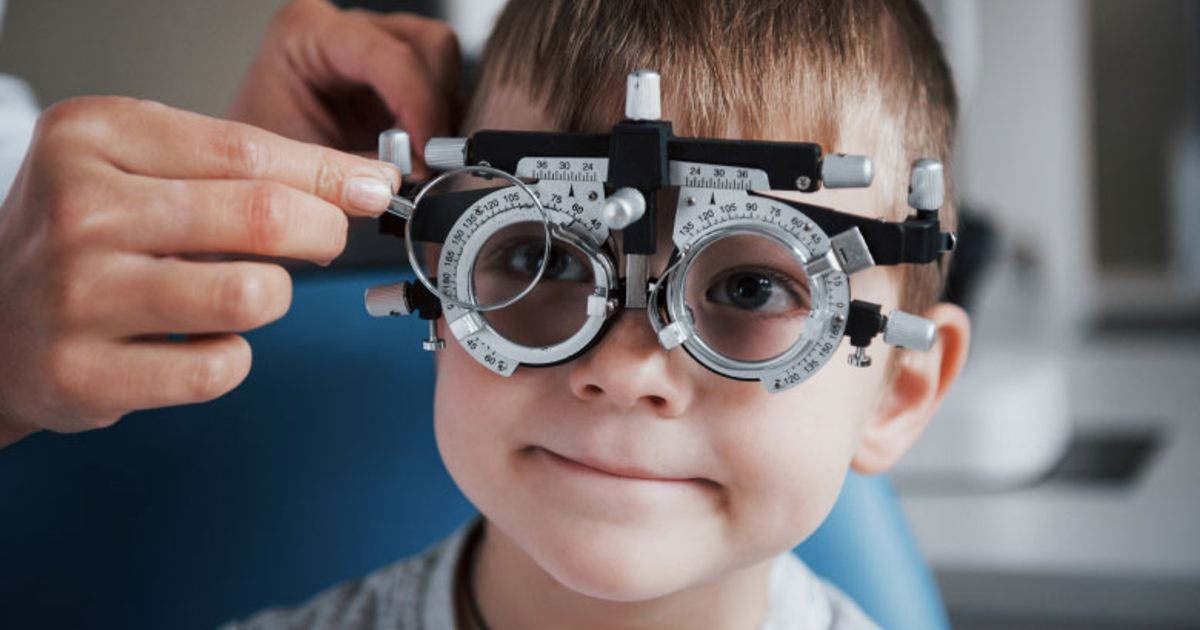
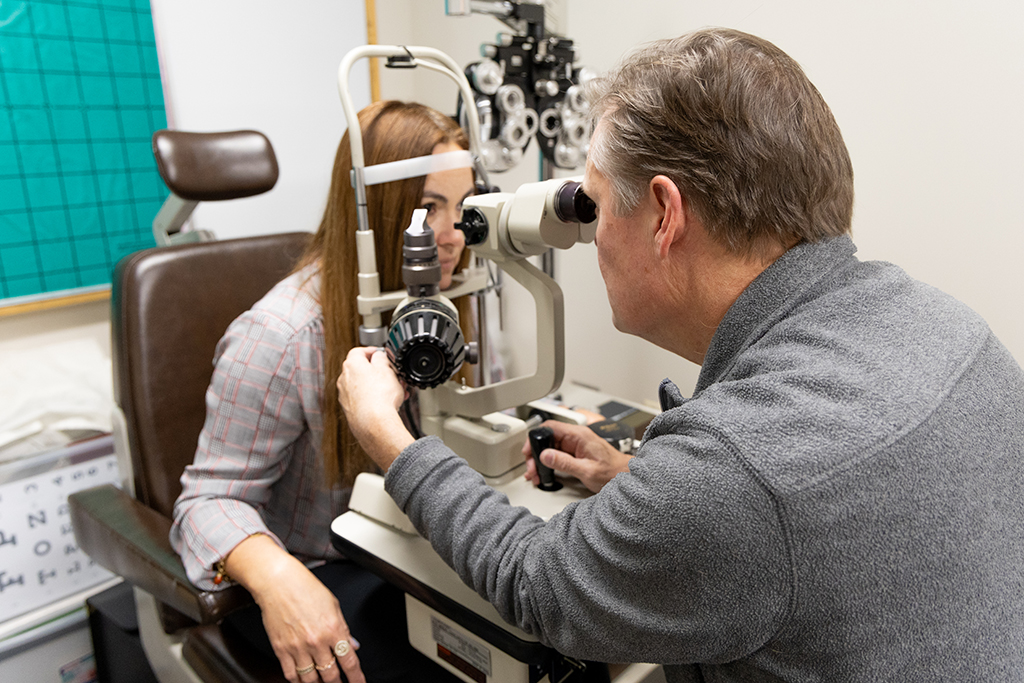
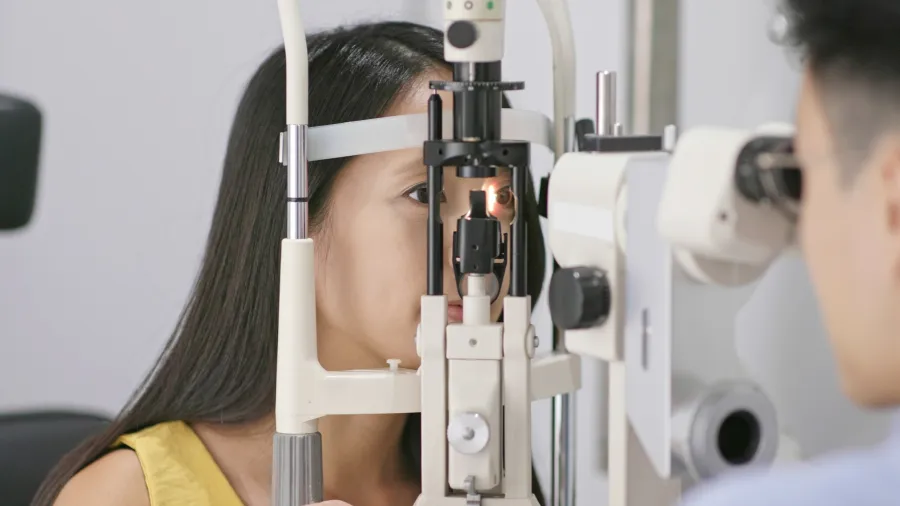
Early detection through regular eye exams allows eye care providers to monitor progression and discuss myopia management options. Myopia management focuses on slowing the progression of nearsightedness rather than simply correcting blurry vision.
Environmental factors such as increased screen time, prolonged near work, and reduced outdoor activity may contribute to myopia development. Encouraging outdoor play, regular breaks from screens, and healthy visual habits can support eye health.
Managing myopia early helps protect long-term vision and supports healthier eye development throughout childhood and adolescence.