Please ensure Javascript is enabled for purposes of website accessibility

Nystagmus (involuntary eye movement)

Specialized Pediatric Care for Stable Vision and Eye Control

Specialized Pediatric Care for Stable Vision and Eye Control

Nystagmus is a condition characterized by involuntary, rhythmic movements of the eyes. These movements may occur horizontally, vertically, or in a circular pattern and can affect one or both eyes.

At Stewart Eye, we provide expert pediatric eye care for children with nystagmus, focusing on improving visual stability, supporting healthy development, and addressing underlying causes. Care is led by Dr. Sara Stewart, with a thoughtful and child-centered approach.
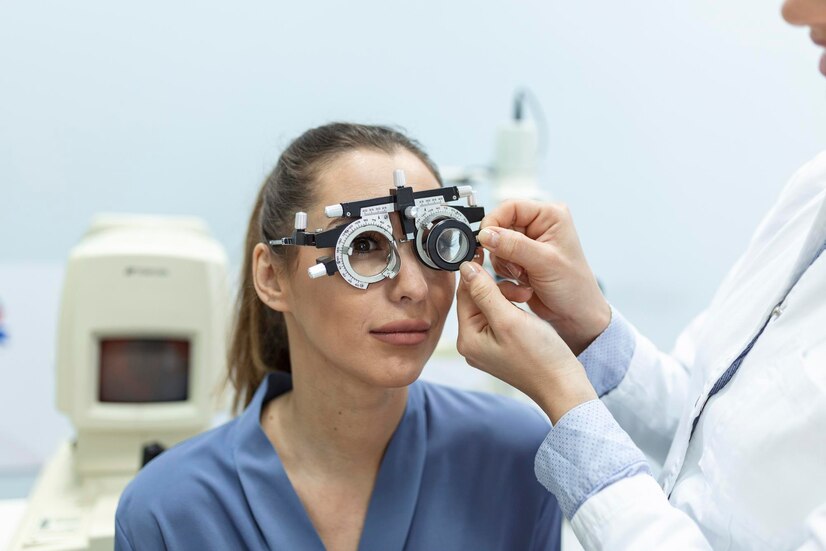
Causes of Nystagmus

Causes of Nystagmus

Nystagmus may be associated with a variety of factors, including:

Congenital Factors

Abnormal development of visual pathways or brain structures before birth.

Hereditary Factors

Genetic conditions that predispose individuals to nystagmus.

Acquired Factors

Neurological disorders, head injuries, inner ear conditions, or certain medications.

Visual Factors

Severe refractive errors, strabismus, or amblyopia (lazy eye) that disrupt visual input.

Identifying the cause is important for effective management and treatment planning.

Understanding Nystagmus

Nystagmus may appear as rapid, jerky eye movements, slow oscillations, or a combination of both. These movements can interfere with normal visual processing and stability.

Children with nystagmus may experience:

Early diagnosis helps guide management and support visual development.

Treatment for Nystagmus

Treatment for nystagmus depends on the underlying cause, severity, and impact on daily activities. Management may include:
While nystagmus cannot always be cured, proper management can significantly improve visual function and comfort.

Our Nystagmus Care Procedure

A Simple 3-Step Approach to Pediatric Eye Movement Evaluation

Our approach focuses on understanding eye movement patterns and visual function.

Step 1: Vision & Eye Movement Assessment

We evaluate visual clarity, eye movements, and focusing ability.

Step 2: Cause Identification

Dr. Stewart assesses contributing visual or neurological factors.

Step 3: Personalized Management Plan

A customized care plan is developed to support stable vision and visual development.

Schedule Your Nystagmus Consultation

If your child is experiencing involuntary eye movements or visual concerns, early evaluation is important. Use the form below to request an appointment, and our team will contact you to confirm availability.
Request an Appointment

Frequently Asked Questions

Can nystagmus go away on its own?
Some forms of nystagmus may improve over time, especially in infancy, but many cases require ongoing management.
It can affect visual clarity, but with proper support and care, children can thrive academically and socially.
No. The condition itself is not painful, though it may cause visual discomfort or fatigue.
Yes. Correcting refractive errors can improve visual stability and clarity.
Most medical insurance plans cover evaluation and management of pediatric nystagmus.