
Blocked tear duct, medically known as dacryostenosis, is a common condition in infants and may also occur in children or adults. It happens when the tear duct that normally drains tears from the eye into the nose becomes partially or completely blocked.
At Stewart Eye, we provide expert evaluation and personalized care to relieve symptoms, improve tear drainage, and protect eye health. Care is led by Dr. Sara Stewart, with a calm, family-centered approach.
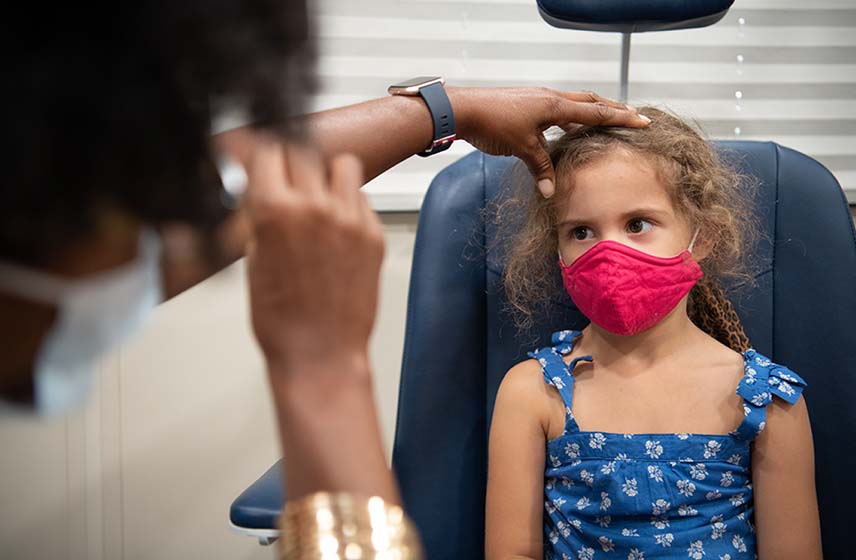
Tears normally drain through small channels into the nose. When this pathway is blocked, tears can overflow and collect on the eye’s surface, leading to irritation and infection.
Blocked tear ducts are most common in infants and often resolve with time, but some cases require treatment to prevent complications.
In infants, a blocked tear duct may also cause:
Treatment depends on the child’s age, severity of symptoms, and cause of the blockage. Management may include:
Early treatment helps prevent infection and long-term discomfort.

Our care process focuses on relieving symptoms and promoting healthy tear flow.
We evaluate tearing, discharge, and overall eye health.
Dr. Stewart determines the severity and underlying cause of the blockage.
A customized plan is created to relieve symptoms and support proper tear drainage.
Most medical insurance plans cover evaluation and treatment of blocked tear ducts.