Children don’t always realize when something is wrong with their vision. Because their visual system is still developing, they may assume what they see is normal — even if it isn’t. That’s why it’s important for parents to recognize the early warning signs of eye problems.
👀 Common Behavioral Signs
One of the first indicators of a vision issue is a change in your child’s behavior. You may notice:
- Squinting when looking at distant objects
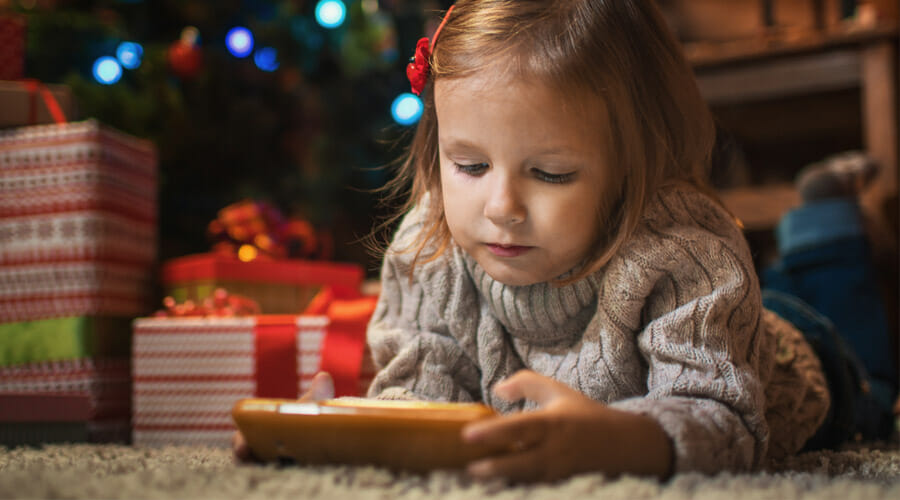
- Sitting very close to screens or holding books too close
- Tilting or turning the head while focusing
- Covering one eye to see better
- Frequent blinking or eye rubbing
These habits often develop as your child tries to compensate for blurred or double vision.
📚 Learning & School Difficulties
Vision plays a major role in learning. In fact, a large portion of classroom activities depend on clear eyesight and eye coordination.
Watch for signs like:
- Trouble reading or losing their place while reading
- Avoiding homework or reading tasks
- Poor handwriting or difficulty copying from the board
- Short attention span during visual tasks
Sometimes, these issues are mistaken for learning disabilities when they may actually be vision-related.
😣 Physical Symptoms
Children with eye problems may also experience physical discomfort, including:
- Frequent headaches
- Eye strain or fatigue
- Complaints of blurry or double vision
- Sensitivity to light
If your child regularly mentions discomfort, it’s important not to ignore it.
👶 Signs in Younger Children
For infants and toddlers, signs can be more subtle:
- Eyes that appear misaligned (crossed or drifting)
- Lack of eye contact or poor tracking of objects
- Excessive tearing or discharge
- Delayed visual development
Early detection at this stage is especially important for preventing long-term issues.
⚠️ When to Take Action
If you notice any of these symptoms, it’s best to schedule a comprehensive eye exam. Many vision problems can be corrected easily when caught early, but may worsen if left untreated.