A child’s visual system develops rapidly during the early years of life. Clear, comfortable vision is essential for learning, coordination, and social interaction. Unfortunately, many children with vision problems do not realize they are seeing poorly, which is why pediatric eye exams are so important.
Children may adapt to vision issues by squinting, sitting close to screens, or avoiding activities that require clear distance vision. Teachers may notice difficulty reading, frequent headaches, or lack of attention in class. These signs are often misinterpreted as behavioral or learning issues rather than vision problems.
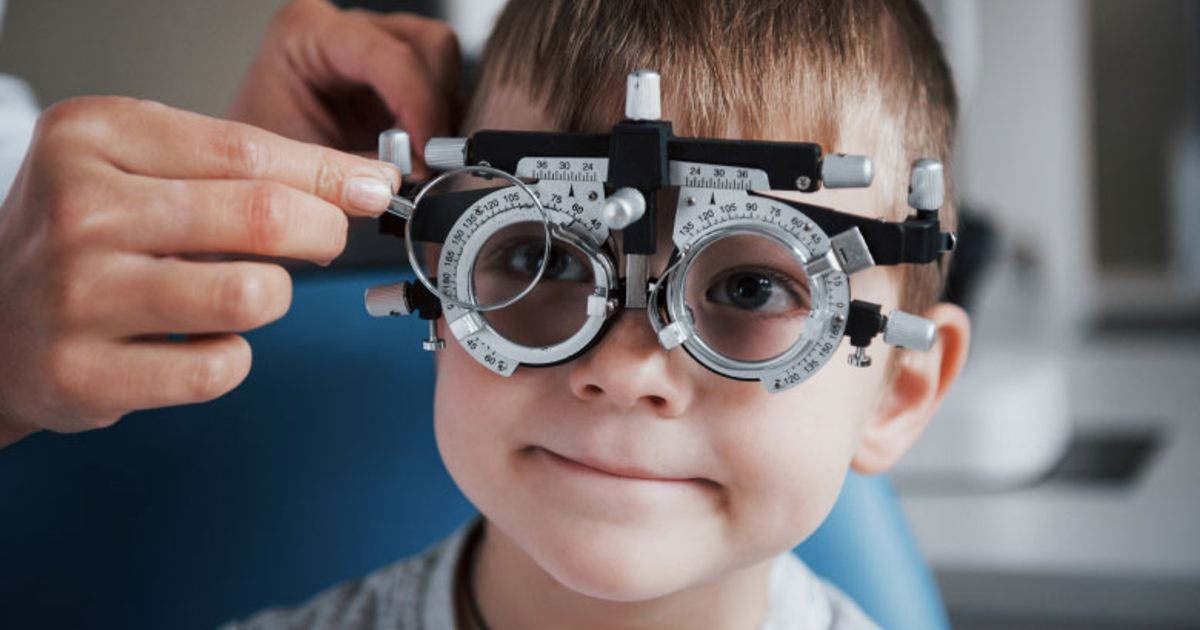
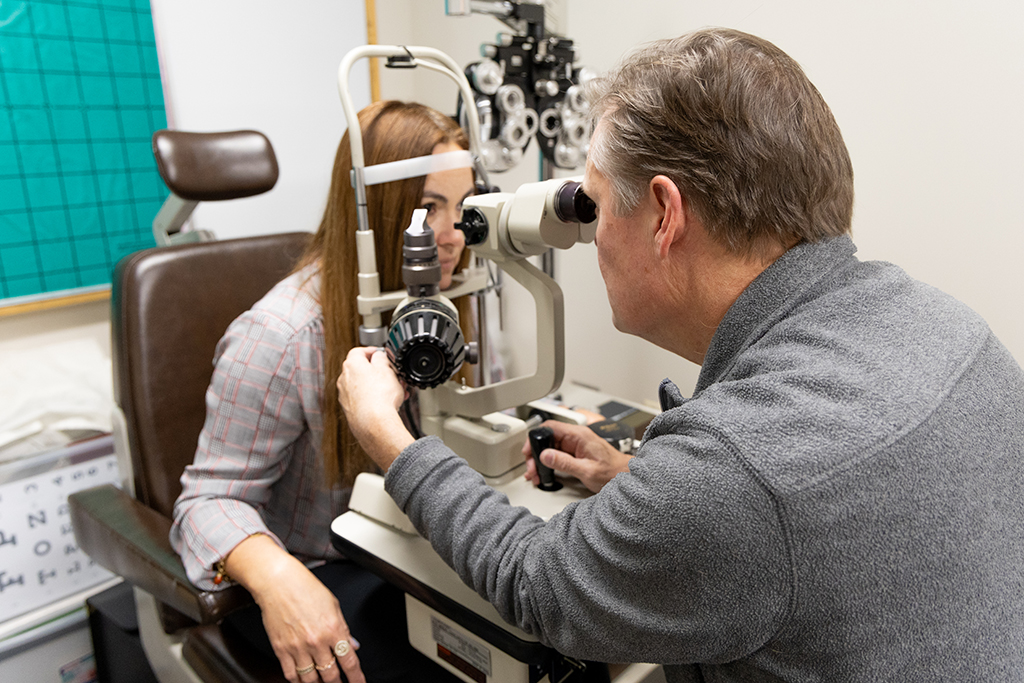
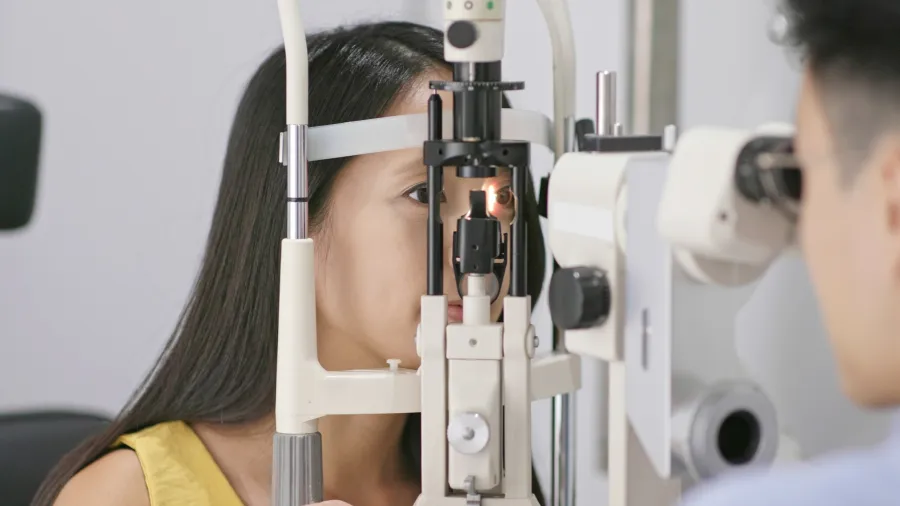
Pediatric eye exams evaluate visual acuity, eye alignment, depth perception, focusing ability, and overall eye health. Conditions such as amblyopia (lazy eye), strabismus, myopia, and refractive errors respond best to treatment when detected early. Delayed diagnosis can result in permanent vision loss in the affected eye.
Eye exams are also important for detecting conditions like blocked tear ducts, eye infections, or developmental abnormalities. Early intervention not only improves vision outcomes but also boosts confidence and academic performance.
Children with healthy vision are better equipped to succeed in school, participate in sports, and develop strong visual-motor skills. Regular eye exams ensure that vision supports, rather than limits, a child’s potential.
Parents should prioritize routine eye care as part of their child’s overall health plan.