Many people think of eye exams as something they only need when their vision becomes blurry. In reality, regular eye exams play a critical role in protecting not only vision, but overall health. The eyes provide a unique window into the body, allowing eye doctors to detect signs of systemic diseases that may otherwise go unnoticed.
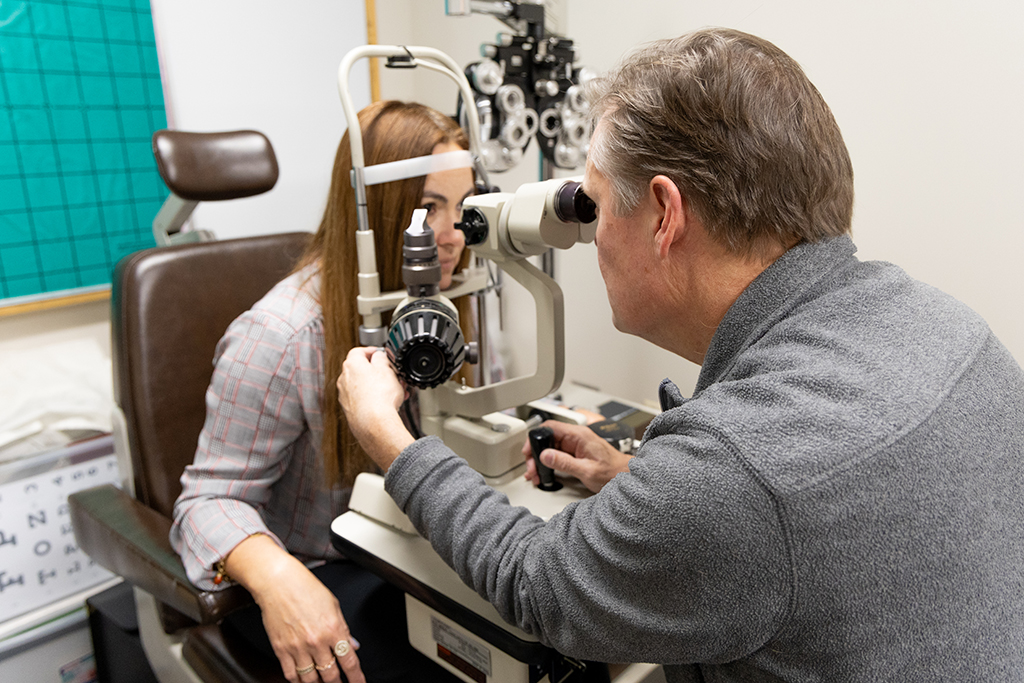
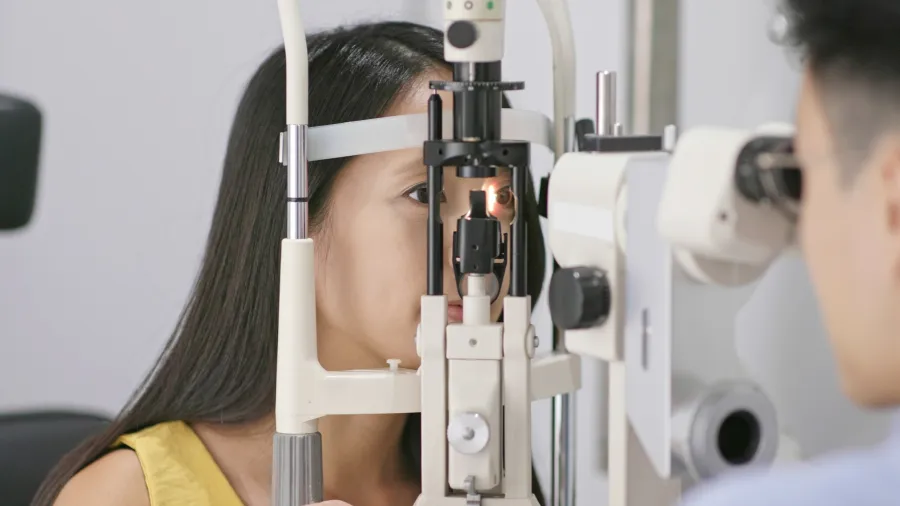
A comprehensive eye exam evaluates much more than how well you see. It includes an assessment of eye pressure, eye alignment, focusing ability, peripheral vision, and the health of structures such as the retina and optic nerve. These tests allow early detection of serious eye conditions such as glaucoma, macular degeneration, cataracts, and diabetic eye disease.
One of the most concerning aspects of many eye diseases is that they often develop without noticeable symptoms. Glaucoma, for example, can cause irreversible vision loss before a patient realizes anything is wrong. Regular eye exams help identify these conditions early, when treatment can slow or prevent progression.
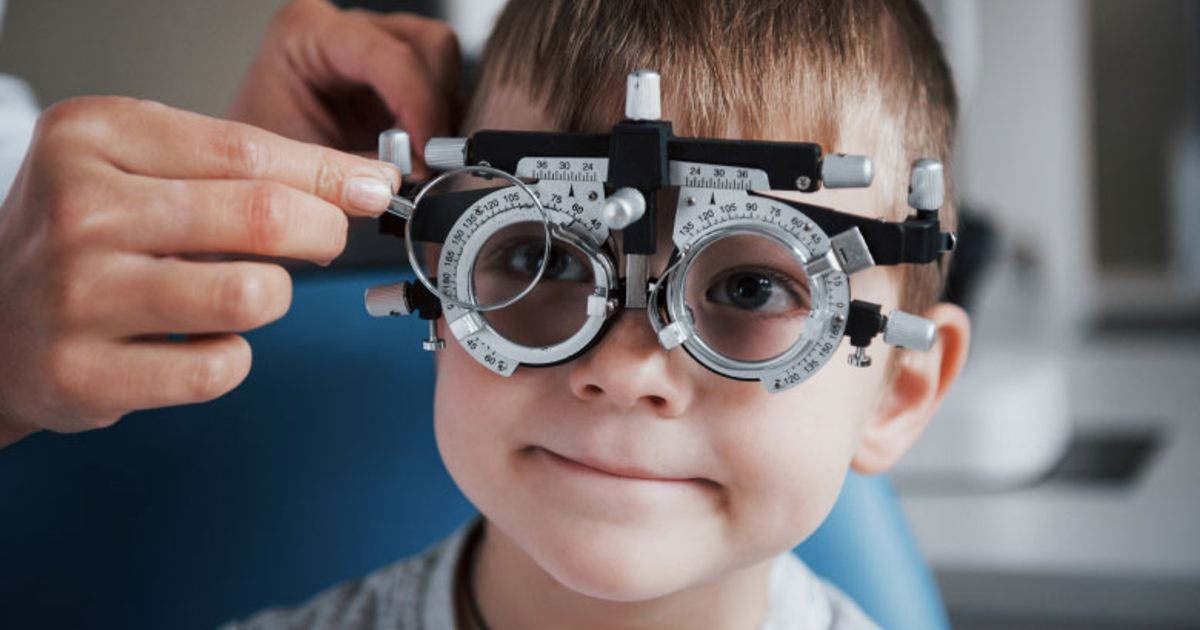
For children, routine eye exams are essential for proper visual development. Vision problems in childhood can affect reading, learning, attention, and social development. Undiagnosed conditions such as lazy eye (amblyopia), strabismus, or refractive errors may lead to permanent vision impairment if not treated early.
Adults also experience natural changes in vision over time. Presbyopia, dry eye disease, and age-related eye conditions become more common as we age. Individuals with diabetes, high blood pressure, autoimmune disorders, or a family history of eye disease should be especially diligent about regular eye care.
By scheduling routine eye exams, patients take a proactive step toward preserving vision, maintaining independence, and supporting lifelong eye health.