Children rarely complain about vision problems because they often don’t realize their vision is abnormal. They assume that what they see is normal for everyone. As a result, many pediatric vision issues go unnoticed without professional eye exams.
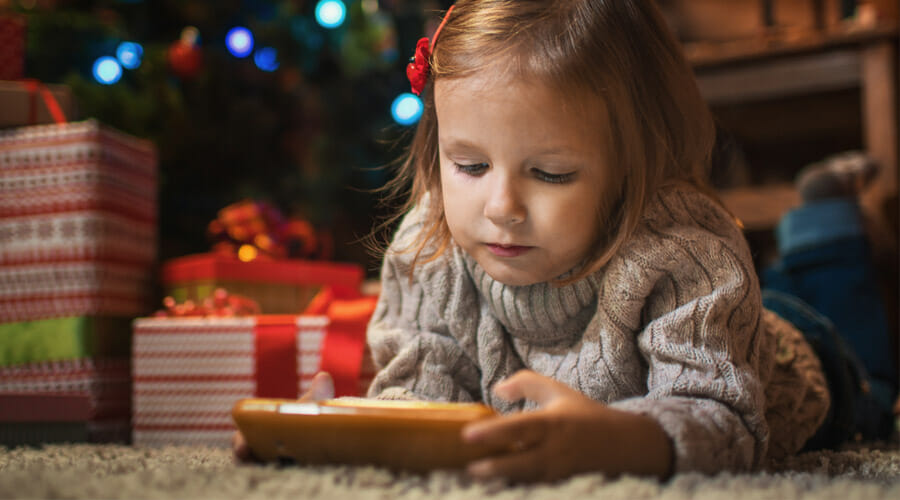
Some of the most common signs that a child may need an eye exam include squinting, sitting very close to screens or books, frequent headaches, eye rubbing, or difficulty focusing. Teachers may notice that a child struggles to see the board, avoids reading, or loses attention during visual tasks.
Eye misalignment, excessive tearing, recurring eye infections, or sensitivity to light can also signal an underlying eye condition. In younger children, delayed visual development may appear as clumsiness, poor hand-eye coordination, or difficulty recognizing shapes and letters.
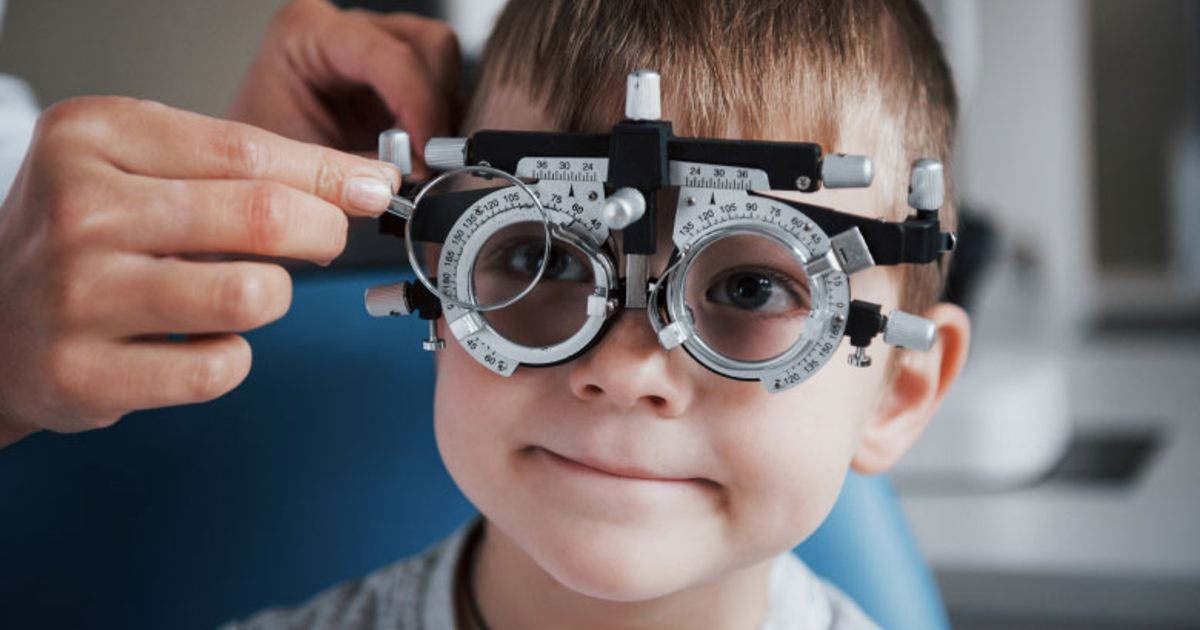
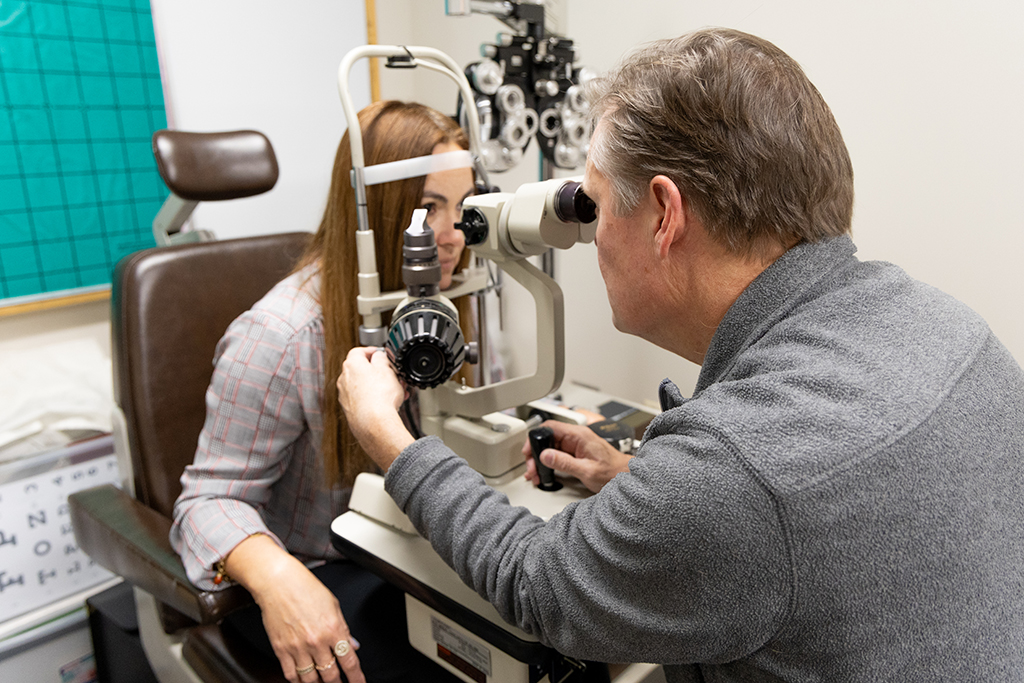
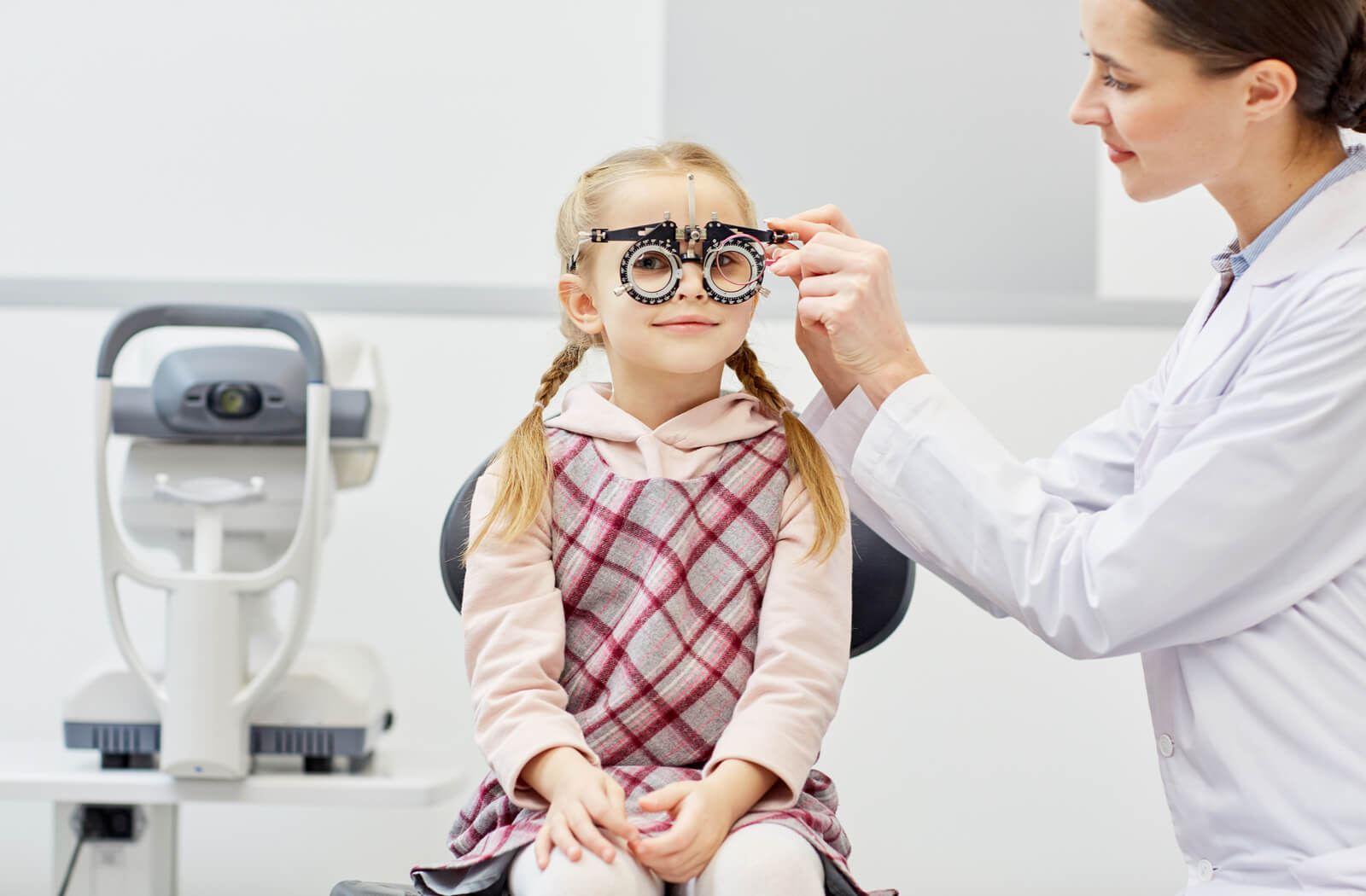
Pediatric eye exams are designed to assess more than just visual clarity. They evaluate eye alignment, focusing ability, depth perception, and overall eye health. Early diagnosis allows for timely treatment, which is critical for conditions like amblyopia, myopia, and strabismus.
Routine eye exams help ensure your child’s vision supports learning, confidence, and healthy development.